
How to Learn Japanese with Manga: A Complete Beginner’s Guide
Manga isn’t just a fun pastime—it’s also an incredibly effective way to improve your Japanese language skills. With natural conversations, cultural insights, and engaging storytelling, manga can help learners expand their vocabulary, strengthen grammar, and enhance reading comprehension.
But how do you use manga effectively as a learning tool? Let’s dive into a step-by-step approach.
Why Use Manga to Learn Japanese?
Many language learners rely on textbooks, flashcards, and formal study materials, but manga offers unique benefits that can make studying more enjoyable and effective.
1. Authentic Conversations
Unlike textbook examples, manga contains natural, everyday Japanese conversations. This makes it easier to learn common expressions, slang, and sentence structures as they are used in real life.
2. Visual Context for Better Understanding
Even if you don’t recognize every kanji or vocabulary word, the illustrations provide strong contextual clues that help in understanding meaning.
3. Diverse Genres and Difficulty Levels
Whether you're a complete beginner or an advanced learner, you can find manga suited to your level. Slice-of-life stories tend to have simpler language, while fantasy or historical manga may introduce more complex vocabulary.
4. Cultural Insights
Manga is deeply connected to Japanese culture and societal norms. By reading it, you’ll pick up cultural references, etiquette, and traditional aspects of Japanese life.
5. Motivation and Fun
Language learning can sometimes feel tedious, but manga keeps things interesting. The excitement of following a story can make studying feel less like work and more like an enjoyable hobby.
Enhance your study sessions with our Effective JLPT N3 Study Strategies to maximize retention and understanding.
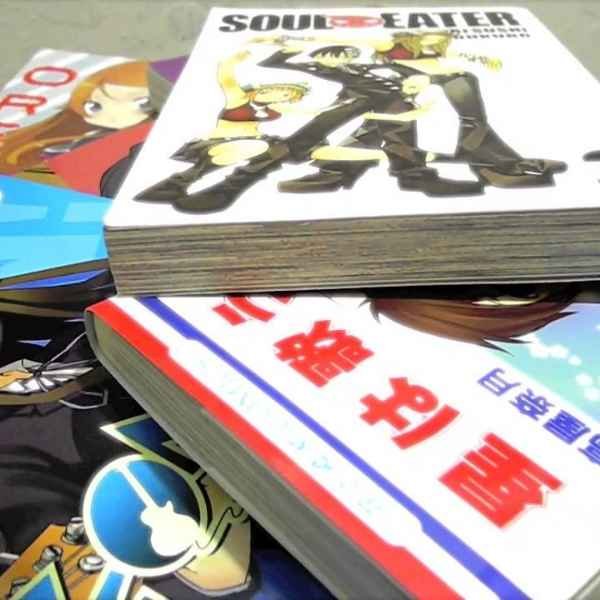
Steps to Effectively Learn Japanese with Manga
Start by selecting beginner-friendly manga with furigana (kana over kanji) and simple dialogues. Use a dictionary app or language tool while reading, and write down new vocabulary and grammar patterns. Consistent reading combined with note-taking and repetition can greatly enhance your Japanese comprehension through manga.
1. Choose the Right Manga for Your Level
Selecting appropriate material is the first step.
Beginner-Friendly Manga
Beginners should start with manga that includes furigana—small hiragana characters written above kanji.
Top beginner picks:
- Yotsuba&! (よつばと!) – Simple conversations and daily life vocabulary.
- Doraemon (ドラえもん) – Classic, fun, and easy to understand.
- Shirokuma Café (しろくまカフェ) – Lighthearted humor with practical dialogue.
For Intermediate Learners
Try manga with slightly complex dialogue and richer vocabulary:
- One Piece (ワンピース) – Adventure-based vocabulary and dynamic speech.
- Haikyuu!! (ハイキュー) – Sports-related terms with natural interactions.
For Advanced Learners
Challenge yourself with deeper themes and advanced kanji:
- Tokyo Ghoul (東京喰種) – Philosophical and emotional depth.
- Death Note (デスノート) – Strategic dialogue and advanced reasoning vocabulary.
2. Read with a Dictionary
Use tools like:
- Yomichan (browser extension) for quick word lookups.
- Jisho.org for detailed explanations of kanji and vocabulary.
- A physical or digital Japanese dictionary to practice manual kanji lookups.
Looking up words while reading will significantly boost vocabulary retention.
3. Break Down Sentences and Analyze Grammar
Instead of skimming, take time to analyze sentence structure, verb conjugations, and grammar points. Some useful techniques:
- Identify key grammar patterns and compare them with what you've studied.
- Check how particles like は (wa), が (ga), を (wo), and に (ni) are used in context.
- See how different verb forms (past, negative, potential) are naturally used.
4. Take Notes and Create Flashcards
- Keep a notebook for new vocabulary, phrases, and grammar points.
- Use Anki or similar flashcard apps to review kanji and words frequently.
- Write down example sentences from manga to reinforce their usage.
5. Read Aloud to Improve Pronunciation
Mimic the dialogue as if you were voice acting the characters. This will:
- Improve pronunciation and fluency.
- Help you internalize intonation and natural speech rhythms.
If possible, listen to the anime adaptation of the manga and try to shadow the dialogue.
6. Re-read for Better Comprehension
The first time, you may struggle with vocabulary and grammar. But reading the same manga multiple times:
- Reinforces previously learned words.
- Helps in recognizing sentence structures more naturally.
- Improves overall comprehension with each reread.
7. Watch Anime or Drama Adaptations
If your manga has an anime adaptation, watching it can:
- Improve listening comprehension.
- Reinforce dialogue and pronunciation.
- Help associate written words with spoken Japanese.
For example, if you're reading Doraemon, watching the anime can help clarify phrases that were difficult in the manga.
Here are few questions which can be in your thought:
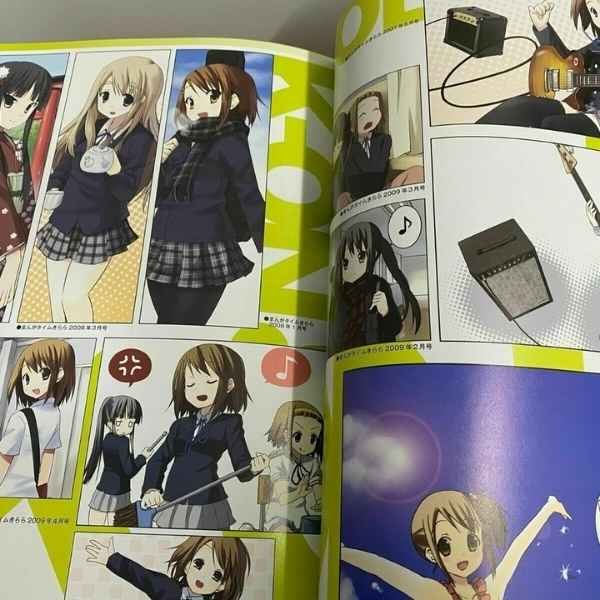
How to Read Japanese Manga
Japanese manga is typically read right to left, starting from the top-right panel to the bottom-left. Familiarize yourself with Japanese sound effects, cultural nuances, and casual speech patterns. Beginners should begin with hiragana/katakana-based content, gradually moving on to kanji-rich manga as skills progress.
1. Is it hard to read Japanese manga?
It depends! If you're reading manga that's been translated into your language, it's pretty easy to follow once you get used to the format. If you're reading manga in Japanese, it can be a bit challenging for beginners because of the language and different writing styles (like kanji, hiragana, katakana). But with practice, it gets easier — many people use manga as a fun way to improve their Japanese skills!
2. How do you read manga for the first time?
If it's your first time reading manga, the most important thing to know is that Japanese manga is read from right to left, not left to right like Western comics.
- Start from the top right panel and move across and down.
- Speech bubbles also follow this order — top right first, then move left and down. If you're reading a translated "flipped" manga (rare nowadays), it might be formatted left-to-right, but most keep the original style.
3. What is the format of Japanese manga?
Japanese manga typically comes in black and white, not color (except for special editions or certain digital releases).
They're usually released as:
- Serialized chapters in weekly/monthly magazines.
- Later collected into tankōbon volumes (paperback books). The artwork is very expressive, and the storytelling often mixes visuals and text heavily, sometimes with full-page spreads or very detailed backgrounds.
4. What is the correct way to read manga?
- Right to left — for pages, panels, and speech bubbles.
- Pay attention to panel flow — the visual layout often guides your eyes naturally.
- Sound effects (SFX) might not always be translated, but they add to the atmosphere.
- Some manga have a few cultural notes at the beginning or end if there are references you might not catch right away.
- If you're reading digitally, apps usually make it very easy by guiding you through the right flow.
Enhance your study sessions with our Effective JLPT N3 Study Strategies to maximize retention and understanding
Frequently Asked Questions (FAQs)
1. Can beginners learn Japanese just by reading manga?
Not entirely. While manga is a fantastic tool, it should be combined with structured grammar study, listening practice, and speaking exercises.
2. What type of manga is best for learning Japanese?
Beginners should stick to manga with furigana and simple sentence structures. Gradually, they can move to more complex stories as their proficiency improves.
3. Should I use English-translated manga or the original Japanese version?
The original Japanese version is better for language learning. However, occasionally comparing it with the English version can help with understanding tricky sentences.
4. How do I remember new vocabulary from manga?
- Take notes and highlight new words.
- Create flashcards with example sentences.
- Use spaced repetition (like Anki) to reinforce memory.
5. How often should I read manga to improve my Japanese?
Daily reading, even if just a few pages, helps maintain steady progress. Consistency is key!
Manga is one of the most engaging and immersive tools for learning Japanese. By choosing the right manga, using dictionaries, breaking down sentences, and practicing regularly, you can significantly enhance your language skills while enjoying great stories.
6. Is manga helpful for JLPT preparation?
Yes—manga improves reading comprehension, vocabulary, and contextual understanding, all of which are useful for JLPT exams. While it doesn’t replace textbooks or mock tests, it strengthens your ability to understand natural Japanese. For best results, combine manga reading with JLPT-specific study materials.
7. Can manga help me understand casual and slang Japanese?
Absolutely. Manga introduces casual speech, slang, contractions, and real conversational tones you won’t always find in textbooks. This helps learners understand how people actually speak. Just remember that some expressions may be overly dramatic or context-specific, so check meanings when unsure.
8. How do I deal with kanji I don’t understand while reading manga?
Start with manga that includes furigana, which shows the reading for each kanji. Use apps like Yomiwa or Takoboto to scan and look up characters instantly. Over time, repeated exposure helps you naturally memorize kanji without feeling overwhelmed.
9. Should I read manga aloud to improve my speaking skills?
Yes! Reading aloud improves pronunciation, rhythm, and sentence flow. It also boosts confidence and helps you internalize grammar patterns. Many learners combine reading aloud with shadowing anime or audio dramas to enhance speaking fluency.
10. Is reading manga enough to become fluent in Japanese?
Manga is a powerful learning supplement but not a complete learning system. Fluency requires speaking practice, listening exposure, grammar study, vocabulary building, and real conversation. When manga reading is combined with structured courses, it becomes a fun and effective part of your learning routine.
So grab a manga, start reading, and turn your Japanese learning journey into an exciting adventure!