
Japanese Grammar Rules: A Beginner’s Cheat Sheet
Learning Japanese grammar is essential for anyone starting their journey into the Japanese language. Unlike English, which follows a Subject-Verb-Object (SVO) structure, Japanese sentences are built using a Subject-Object-Verb (SOV) order. Understanding this key difference, along with the correct use of particles, verb conjugations, and adjectives, will help beginners form accurate sentences and communicate effectively.
Mastering Japanese grammar not only boosts confidence in conversations but also enhances reading and writing skills. With a structured approach, learning Japanese grammar becomes much easier. The Japanese Language School (TLS) provides expert guidance to learners through structured lessons, interactive exercises, and personalized coaching to help students grasp Japanese grammar with ease.
Understanding the Basics of Japanese Grammar
Understanding the basics of Japanese grammar is essential for building sentences and expressing ideas clearly. Unlike English, Japanese follows a Subject-Object-Verb (SOV) structure and relies heavily
Subject-Object-Verb (SOV) Sentence Structure
Unlike English, where the sentence structure follows Subject-Verb-Object (e.g., “I eat sushi”), Japanese places the verb at the end (e.g., “I sushi eat” → 私は寿司を食べる / Watashi wa sushi o taberu). This fundamental rule remains consistent throughout Japanese sentence formation.
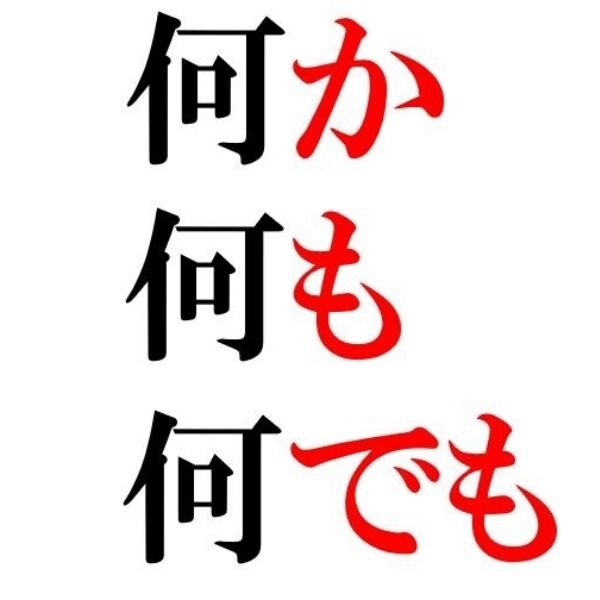
The Role of Particles in Japanese Sentences
Particles are essential in Japanese because they indicate the function of words in a sentence. Unlike English, which uses word order and prepositions, Japanese relies on particles to show relationships between words.
For those interested in alternative proficiency exams, you can read about the NAT Japanese Test September 2025 and its structure.
Differences Between Japanese and English Grammar
- No articles (a, an, the) – Japanese does not use definite or indefinite articles.
- Verb conjugations instead of subject-based conjugations – Japanese verbs do not change according to the subject.
- Different sentence-ending expressions – The formality and meaning of a sentence often depend on its ending expressions, such as です (desu) for politeness.
Now that you've passed the JLPT, what’s next? Explore advanced study techniques and career opportunities in our detailed guide on Next Steps After Passing JLPT.
Essential Japanese Grammar Rules for Beginners
Essential Japanese grammar rules provide the foundation needed to form correct and meaningful sentences. Key areas include sentence structure, proper use of particles, verb conjugations, and distinguishing between formal and informal speech.
A. Sentence Structure & Word Order
Japanese follows an SOV (Subject-Object-Verb) structure:
- English: I eat sushi.
- Japanese: 私は寿司を食べる。
Common Mistakes to Avoid:
- Misplacing the verb: The verb should always come at the end.
- Incorrect use of particles: Using は instead of が can change the sentence meaning.
SIL’s Approach: SIL’s structured lessons focus on real-life sentence construction, ensuring that students gain practical grammar skills through interactive exercises.
B. Japanese Particles & Their Uses
Particles are crucial in Japanese sentences. Here are some essential ones:
- は (wa): Topic marker (e.g., 私は学生です – I am a student.)
- が (ga): Subject marker (e.g., 猫が好きです – I like cats.)
- を (wo): Object marker (e.g., 本を読みます – I read a book.)
- に (ni): Direction or time marker (e.g., 学校に行きます – I go to school.)
- で (de): Location marker (e.g., 公園で遊ぶ – Play in the park.)
The Japanese Language School (TLS) Approach provides interactive lessons with exercises focusing on particle usage, making grammar easier to understand and apply.
Avoid common errors in spoken Japanese by following tips from our post on mistakes in Japanese pronunciation.
C. Japanese Verb Conjugations
Japanese verbs conjugate based on tense and politeness levels. Common conjugation forms include:
- ます (masu) form – Polite (e.g., 食べます – to eat)
- Dictionary form – Casual (e.g., 食べる – to eat)
- て (te) form – Used for requests and linking sentences (e.g., 食べてください – Please eat.)
- た (ta) form – Past tense (e.g., 食べた – Ate.)
The Japanese Language School (TLS) Approach: Step-by-step exercises guide learners through verb conjugations, ensuring they practice effectively with real-life examples.

D. Adjectives & Sentence Modifiers
Japanese adjectives are divided into two types:
- い (i) adjectives: 美しい (utsukushii) – beautiful
- な (na) adjectives: 静か (shizuka) – quiet
Adjective conjugation examples:
- Present Affirmative: 美しいです (is beautiful)
- Present Negative: 美しくないです (is not beautiful)
- Past Affirmative: 美しかったです (was beautiful)
- Past Negative: 美しくなかったです (was not beautiful)
The Japanese Language School (TLS) provides structured grammar drills and real-world application exercises to enhance understanding.
To register for the upcoming JLPT exam, check our detailed JLPT 2025 December Registration Guide.
E. Formal vs. Informal Speech
Japanese has different levels of politeness:
- Formal: です/ます form (e.g., 話します – I speak.)
- Casual: Dictionary form (e.g., 話す – Speak.)
The Japanese Language School (TLS) : The Japanese Language School (TLS) conversation-based lessons help learners practice polite and casual speech in various real-life situations.
To strengthen your grammar for N3 level, explore our comprehensive JLPT N3 Grammar Guide.
Common Grammar Mistakes and How to Avoid Them
Mastering Japanese grammar can be challenging, especially for beginners. Here are some common mistakes learners make and how TLS can help you avoid them.
1.Incorrect Verb Conjugations
Mistake: Using the wrong verb form in different contexts.
Example: 言うました ❌ instead of 言いました ✅
How to Fix It: Learn verb conjugation rules for ます-form, te-form, and plain form systematically.
2.Misuse of Particles
Mistake: Confusing に and で or は and が.
Example: 学校に勉強する ❌ instead of 学校で勉強する ✅
How to Fix It: Understand the function of each particle through structured drills and real-life examples.
3.Confusion Between い and な Adjectives
Mistake: Mixing up conjugation rules.
Example: きれいかった ❌ instead of きれいでした ✅
How to Fix It: Practice identifying and conjugating adjectives correctly using JLPT-based exercises.
Best Study Resources & Tools for Learning Japanese Grammar
Mastering Japanese grammar requires the right combination of resources and tools. High-quality textbooks like Genki and Minna no Nihongo provide structured lessons and practice exercises. Online platforms such as TLS – The Japanese Language School offer interactive courses, video lessons, and grammar explanations suitable for all levels.
Textbooks & Workbooks:
- Genki I & II – Ideal for beginners, covering grammar, vocabulary, and listening.
- Minna no Nihongo – A comprehensive resource with detailed explanations.
- Try! JLPT N5 & N4 – Focused on JLPT grammar with structured lessons and exercises.
Online Study Websites:
TLS - The Best Japanese Language School– grammar lessons tailored for JLPT levels.
Study International Language– Simplified news articles for reading practice.
Apps for Practice:
- Anki – Customizable flashcards for vocabulary & grammar revision.
- Bunpro – Interactive JLPT grammar drills with spaced repetition.
- Duolingo – Good for beginners to build basic grammar skills.
The Japanese Language School (TLS) : The Japanese Language School (TLS) offers expert-led grammar courses with structured lessons and guided practice sessions.
How The Japanese Language School (TLS) Supports Grammar Learning
Why choose TLS?
- Expert Japanese instructors
- Interactive grammar exercises
- Personalized learning plans
- Real-world language practice
TLS The Japanese Language School ensures learners gain confidence in using Japanese grammar correctly and effectively.
To deepen your understanding of foreign-influenced vocabulary, explore this insightful guide on Gairaigo – Understanding Japanese Loanwords and how they’re used in modern conversation.
Conclusion
Understanding Japanese grammar is key to mastering the language. By focusing on sentence structure, verb conjugations, and particle usage, learners can build a strong foundation. With structured lessons and expert guidance from The Japanese Language School (TLS) learning Japanese grammar becomes simpler and more enjoyable.
"Have questions about our Japanese language courses? Contact us today through our Contact Us page for expert guidance!"
FAQs: Japanese Grammar Rules
Q1. Why is learning Japanese grammar important?
Understanding Japanese grammar is essential to construct correct sentences, communicate clearly, and prepare for JLPT exams. TLS – The Japanese Language School provides structured courses that make grammar learning easy and practical.
Q2. What are the basic grammar rules in Japanese?
Basic rules include sentence order (SOV – Subject Object Verb), use of particles (は, が, を), verb conjugations, and adjective usage. Mastering these fundamentals helps build a strong foundation for higher levels.
Q3. Can I learn Japanese grammar online effectively?
Yes. Online platforms like TLS – The Japanese Language School offer interactive lessons, exercises, and quizzes to practice grammar effectively from anywhere in India.
Q4. How can I practice Japanese grammar daily?
Practice daily by writing sentences, reading simple texts, doing exercises from textbooks like Genki, and using apps like Anki or WaniKani to reinforce grammar points.
Q5. Is Japanese grammar difficult for English speakers?
Japanese grammar is different from English but not impossible to learn. Consistent practice, guidance from trained instructors at TLS, and using structured resources make it manageable and enjoyable.